Introduction
Modern interior design strives for minimalism, where clean lines and the absence of unnecessary details are important. Hidden doors are one of the trendy solutions that can achieve this effect. They perfectly integrate into the space, visually expand the room and add sophistication to the interior.
The popularity of hidden doors is growing not only among designers, but also among apartment and house owners who want to create a stylish and functional space. Such designs are suitable for both residential and commercial interiors, helping to maintain aesthetics and convenience.
Manufacturers offer various models of hidden doors adapted to modern requirements for design, quality and functionality. Let’s take a look at the advantages of such doors, where they are used, and what to look for when choosing one.
Why are hidden doors a convenient and stylish solution?
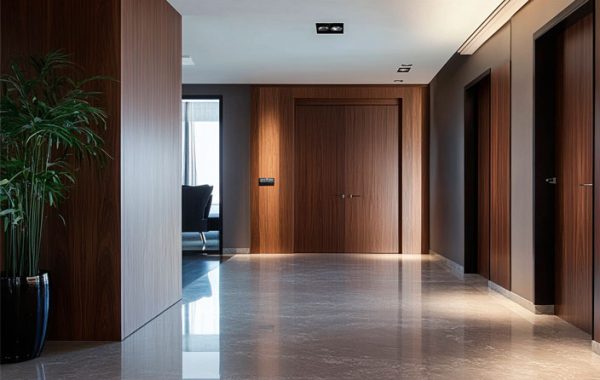
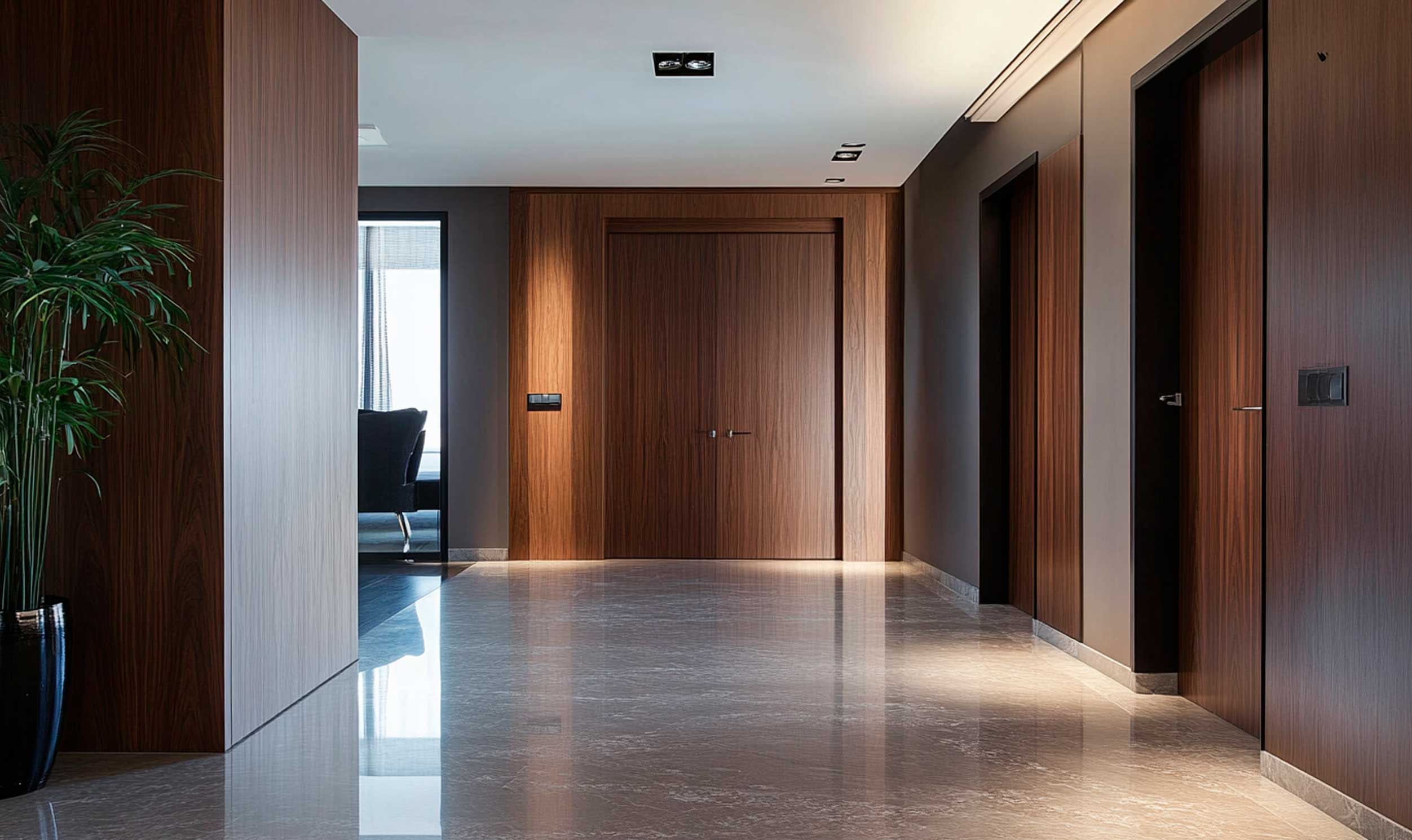
Interiors with hidden doors look holistic and harmonious. They help to visually “cleanse” the space, make it more spacious and elegant.
In addition to aesthetics, such doors have practical advantages. They are ideal for creating hidden passages to technical rooms, dressing rooms or offices. In minimalist interiors, they replace massive door structures, while maintaining lightness and a modern look.
The main advantages of hidden doors:
- The absence of a visible box and platbands makes the interior look neat.
- Visual expansion of space due to the absence of contrasting elements.
- It can be painted in the color of the walls or wallpapered, which creates the effect of “invisibility”.
- High level of noise insulation in high-quality models.
- Versatility – suitable for a variety of spaces, from residential to office.
Where is it better to use hidden doors?
Such doors are versatile and can be used in different areas of the house or commercial premises.
In residential interiors, they are often installed in living rooms, bedrooms, dressing rooms, and children’s rooms. Wall-mounted structures are perfect for small apartments where it is important to maintain a sense of space.
In offices and business spaces, hidden doors allow you to zone the room, creating private work areas. In commercial interiors, they help to hide service rooms, leaving the front part of the space aesthetically perfect.
In the kitchen, such doors can disguise the entrance to the pantry or hide built-in cabinets. In modern restaurants and hotels, they are used to disguise technical areas, ensuring the integrity of design solutions.
How to choose and install hidden doors?
When choosing a hidden door, it is important to consider the material, type of installation and ease of use.
If the walls are already finished, installing a hidden structure may require additional work. The best option is to install the door at the stage of roughing out the walls to avoid rework and discrepancies in color or texture.
You should also pay attention to the type of hardware. Concealed hinges and magnetic locks will help maintain aesthetics and ease of use. If the door is equipped with a door closer, it will extend the service life and reduce the load on the structure.
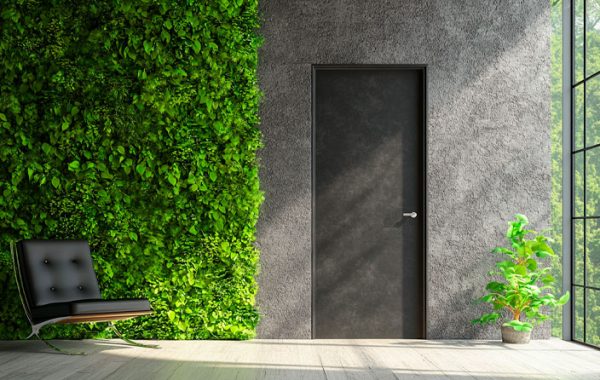
For those who want to make the door completely invisible, a model painted in the color of the walls or wallpapered is an ideal solution. This option is especially popular in minimalist interiors.
Practical tips for caring for hidden doors
To ensure that the door retains its aesthetics and functionality, you should follow a few recommendations:
- Clean the surface with mild detergents to avoid damaging the finish.
- Check the hardware and hinges every few months to prevent loosening.
- Use special care products for doors with glass or lacquered finishes.
If the hidden door is painted in the color of the walls, keep in mind that repainting may be required over time, especially in passage areas.
Conclusion.
Hidden doors are not just an interior element, but a real design solution that combines aesthetics and functionality. They help to create stylish, harmonious spaces, visually expand rooms and keep the design laconic.
The choice of a suitable model depends on the task: for minimalism, options painted in the color of the walls are suitable, for modern offices – glass or metal structures, and for classic interiors – models with wood finishes.
If you are planning to install hidden doors in your interior, it is important to choose a trusted manufacturer, take into account the nuances of installation and ensure proper care. This will help to preserve their appearance and convenience for many years.